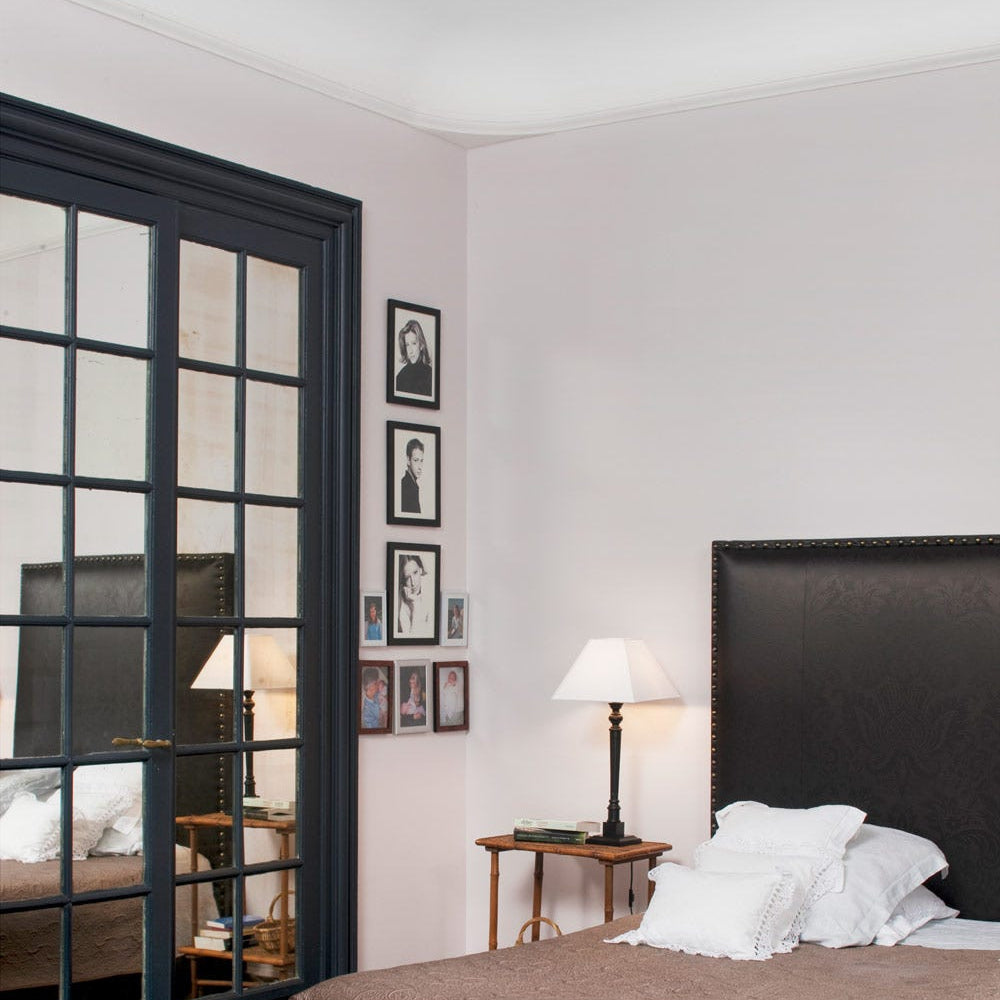
At Paint and Papers, you can buy white paint online across leading British brands. That includes Farrow and Ball white paint, Little Greene white paint, and Paint and Paper Library white paint. Each offers a distinct range, from crisp white paint to softer off-white paint options that work across different interiors.
Shop Paint and Papers White Paint by Brand
Each brand approaches white interior paint in a different way. That matters when you are comparing shades.
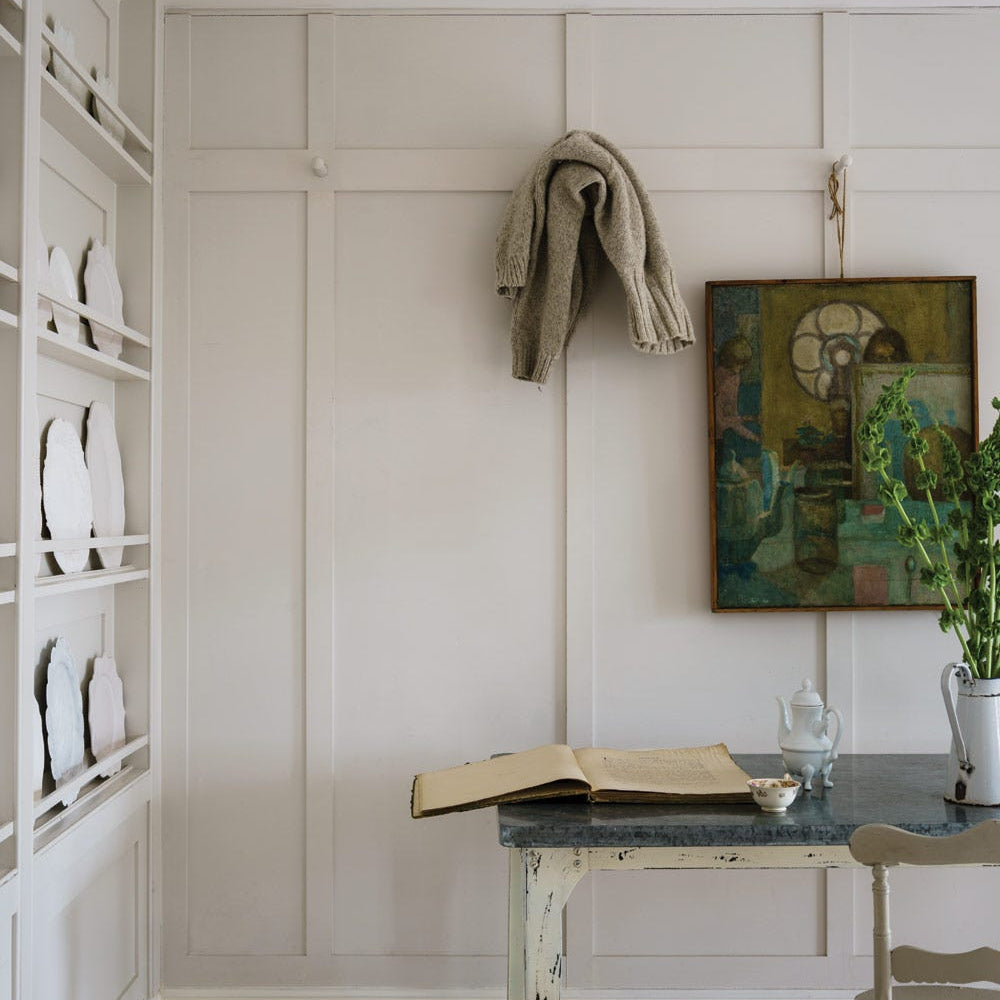
Farrow & Ball whites are known for their depth. Many sit slightly off pure white, with subtle undertones that respond to changing light. These are strong choices for traditional homes or spaces where you want warmth without using colour.
Little Greene whites offer a wider tonal range. You will find everything from clean, bright white paint to softer neutral white paint options. This makes it easier to match across walls, ceilings, and trim.
Paint & Paper Library whites are more architectural. Their palette includes sharper whites alongside chalk white paint and alabaster paint tones that suit modern interiors.
When comparing, always check the white paint colour chart for each brand. Two whites that look similar on paper can behave very differently once applied.
Warm Whites and Cool Whites
Understanding undertones is key when choosing white wall paint.
Warm white paint includes:
- Cream white paint and ivory white paint
- Whites with yellow, red, or beige undertones
- Softer shades that work well in low light
These are ideal for white paint for north-facing rooms or spaces where you want a more relaxed feel.
Cool white paint includes:
- Whites with blue, grey, or green undertones
- Cleaner, sharper tones
- Better suited to bright, south-facing spaces
These work well in modern interiors or where you want contrast against darker materials.
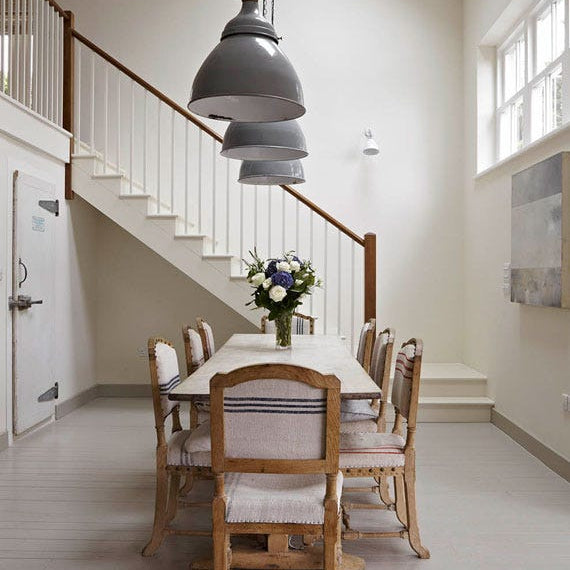
You will also find neutral white paint, which sits between warm and cool. These are often used in open plan spaces or where you want flexibility across rooms.
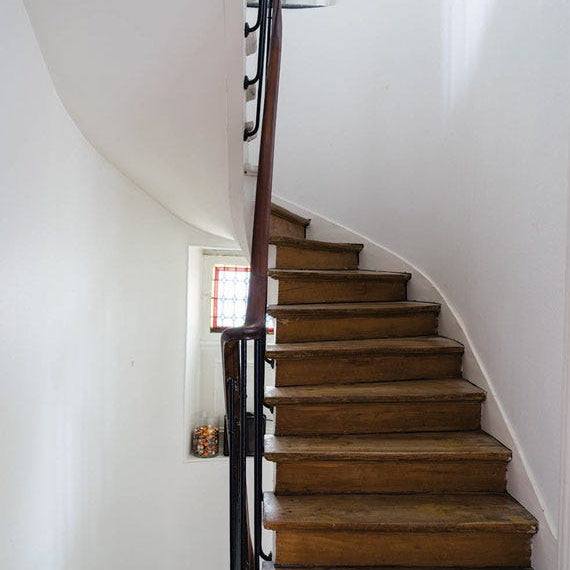
Light-reflecting white paint can help brighten darker areas, but always test it first. Strong undertones can become more obvious once on the wall.
White Paint for Walls, Ceilings and Woodwork
White paint needs to work across different surfaces, not just walls.
For walls:
- Matte white paint or eggshell white paint gives a softer finish
- Works well for white paint for living room, bedroom, and hallway spaces
For ceilings:
- White ceiling paint in a flatter finish helps hide imperfections
- A slightly softer white often feels more natural than a pure bright white
For woodwork:
- Satin white paint or gloss white paint is more durable
- Ideal for white paint for skirting boards, doors, and interior trim
In kitchens and bathrooms:
- Choose white washable paint that can handle moisture and cleaning
- Durable white paint is essential in high-use areas
Also consider specialist uses:
- White paint for radiators requires heat-resistant finishes
- White paint for plaster or newly plastered walls needs the right primer or white undercoat
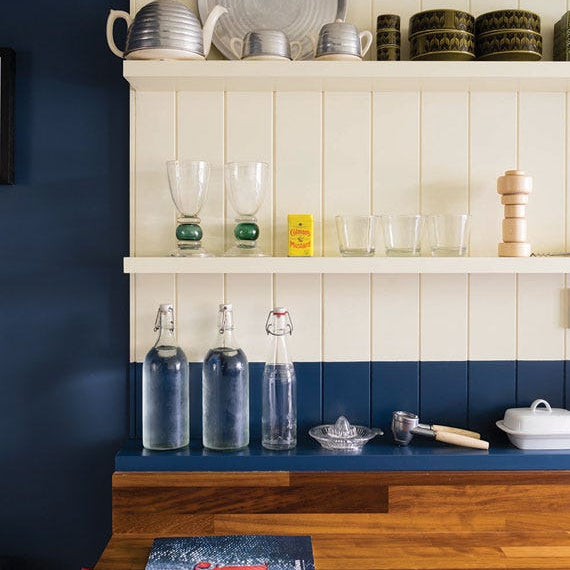
Matching whites across surfaces creates a seamless look. Slight contrast can help define details such as trim and panelling.
How to Choose the Right White Paint
White paint looks simple, but small differences matter.
Start with light:
- Check how your room faces
- White paint for north-facing rooms often needs warmth
- White paint for south-facing rooms can take cooler tones
Then check undertones:
- White paint undertones can shift depending on the surroundings
- Compare against flooring, tiles, and furniture
Test properly:
- Use a white paint sample pot
- Apply to multiple walls
- Check morning, afternoon, and evening
Think about the function:
- White paint for kitchen and bathroom spaces should be durable
- White paint for hallway areas needs to be easy to clean
Consider finish:
- Matte for walls
- Eggshell for added durability
- Satin or gloss for trim
Also check practical details:
- Low VOC white paint improves indoor air quality
- Water-based white paint is easier to apply and dries faster
- Oil-based white paint offers a tougher finish for specific uses
A white paint shade comparison is useful, but testing in your own space is what gives you confidence.
Order a Sample Pot Today
The best way to choose Paint and Papers, white paint, is to test it in your home.
Order a white paint sample pot and apply it to more than one surface. Look at it:
- In natural daylight
- Under artificial lighting
- Next to furniture and flooring
White paint can shift more than any other colour. What looks like pure white paint in the store may read cream or grey at home.
When you buy white paint online in the UK, sampling first helps you avoid repainting later. It also makes it easier to compare finishes such as matte white paint, eggshell white paint, and satin white paint.
FAQs
What is the best white paint?
The best white paint depends on your room’s light and the surface. For bright, clean spaces, choose a crisp white or pure white paint. For softer rooms, warm white paint with subtle undertones works better. Cool white paint suits modern interiors. Always test a white paint sample pot and check it in both daylight and evening light.
What is the difference between warm white and cool white paint?
Warm white paint has yellow, cream, or beige undertones, which make a space feel softer. Cool white paint has blue or grey undertones, giving a cleaner, sharper look. The same white paint can look different depending on the lighting and the surrounding colours.
How do I choose the right white paint for walls, ceilings, and woodwork?
Start by assessing light and choosing an undertone. Use sample pots and test on multiple walls. For ceilings, use a flatter white ceiling paint. For walls, matte or eggshell white paint works well. For woodwork, satin or gloss white paint is more durable. Match or slightly contrast whites depending on the look you want.
Choosing the right Paint and Papers, white paint comes down to understanding undertones, light, and finish. With the right testing, you can create a clean, balanced scheme that works across every surface in your home.