Eight designs, each one inspired by a different corner of a National Trust garden - a favourite plant, a historic bloom, a view someone fell in love with generations ago. The result is a collection that feels alive: colourful, a little wild, full of the kind of detail you only get from looking closely at something growing.

Castle Garden
Inspired by Sissinghurst castle and gardens in Kent, one of England's best-loved gardens - all wild, layered blooms and unapologetic colour, brought straight onto your wall. Somewhere between a painting and an open window.

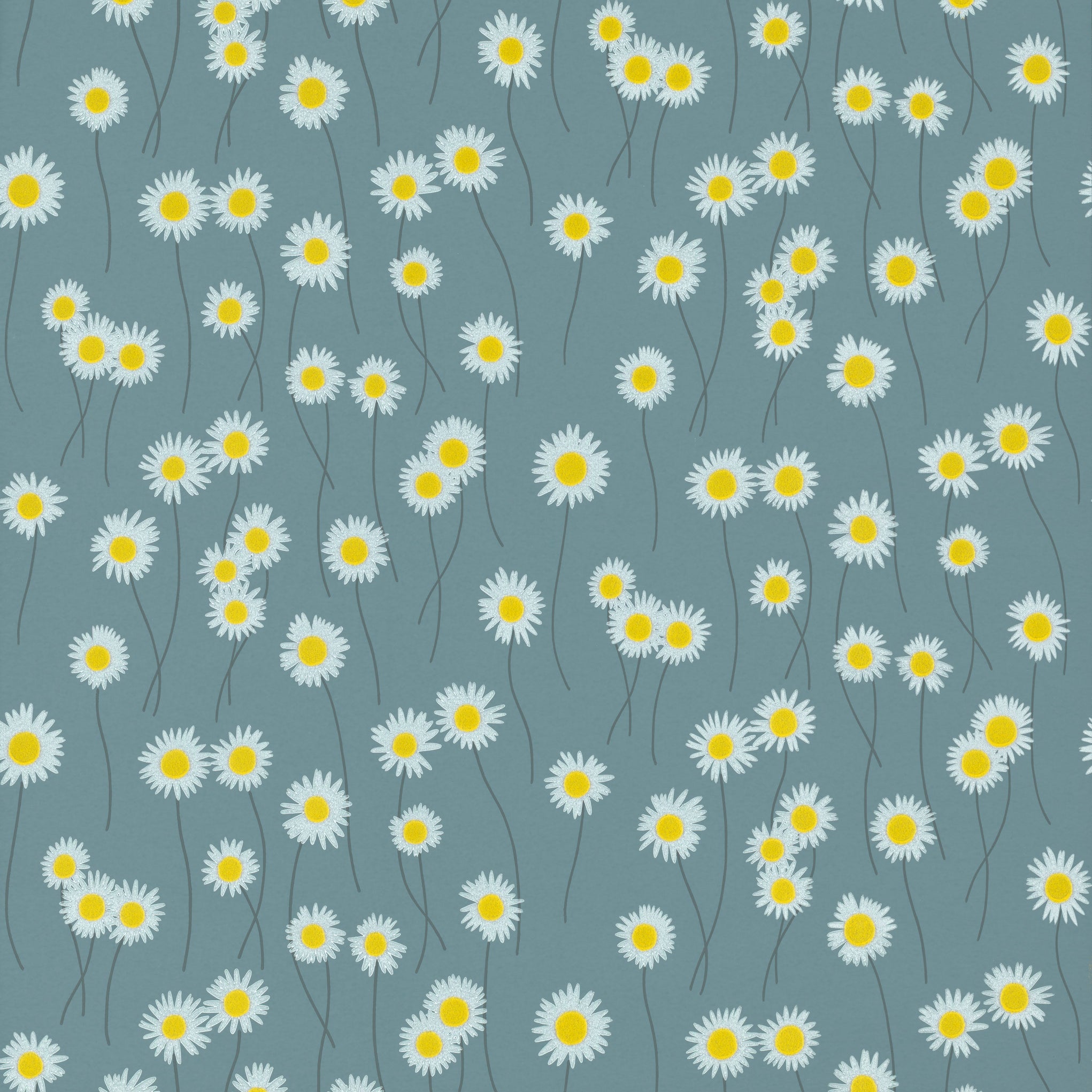
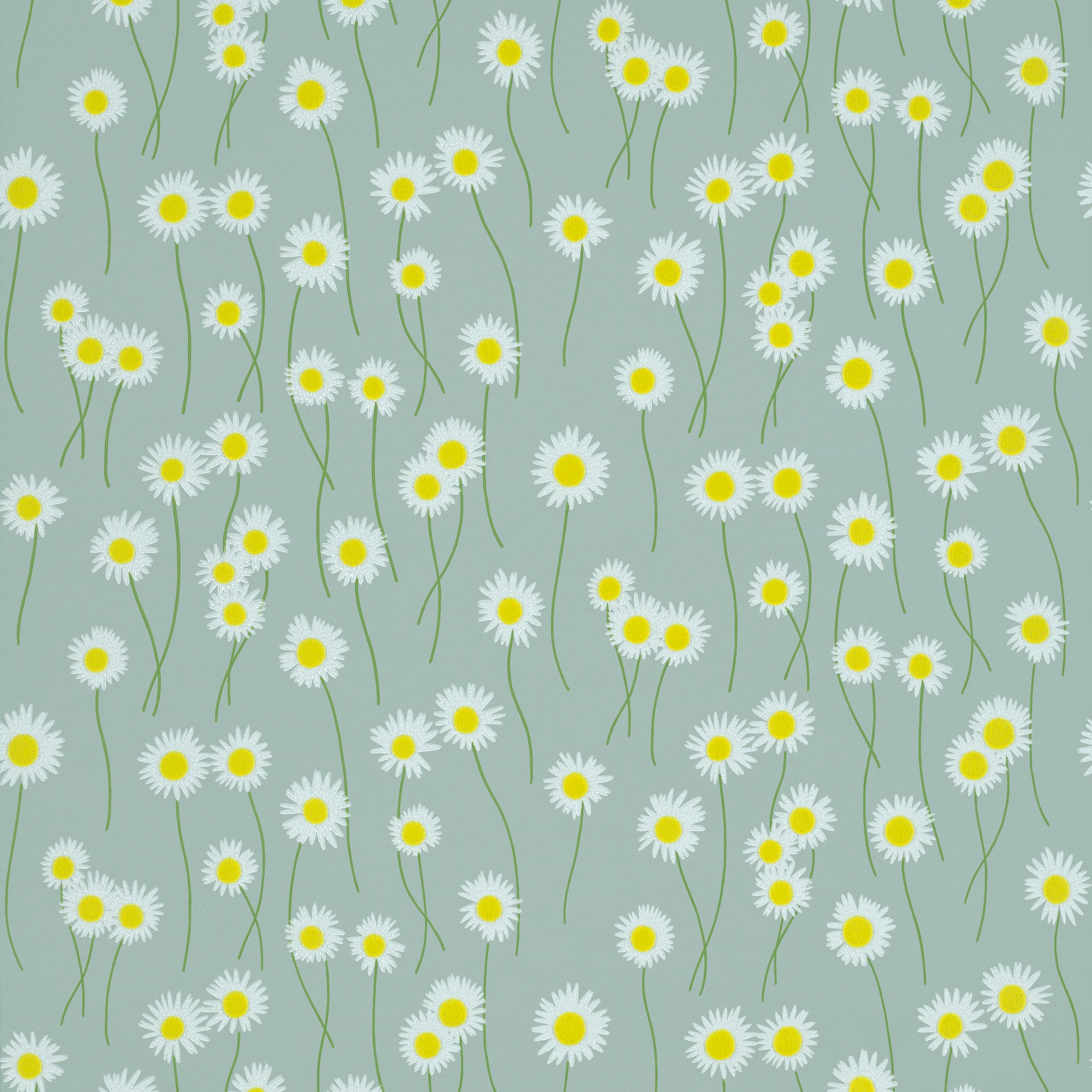
Moon Daisies
Daisies have been turning up in surface design for centuries - embroidery, ceramics, fashion, wallpaper, all of it. This pattern takes its name from the ox-eye daisy, the variety known for glowing along country roads at night, and reimagines a 19th-century wallpaper found at Oxburgh Hall in a much simpler form: bright yellow flocked centres, interlocking stems.
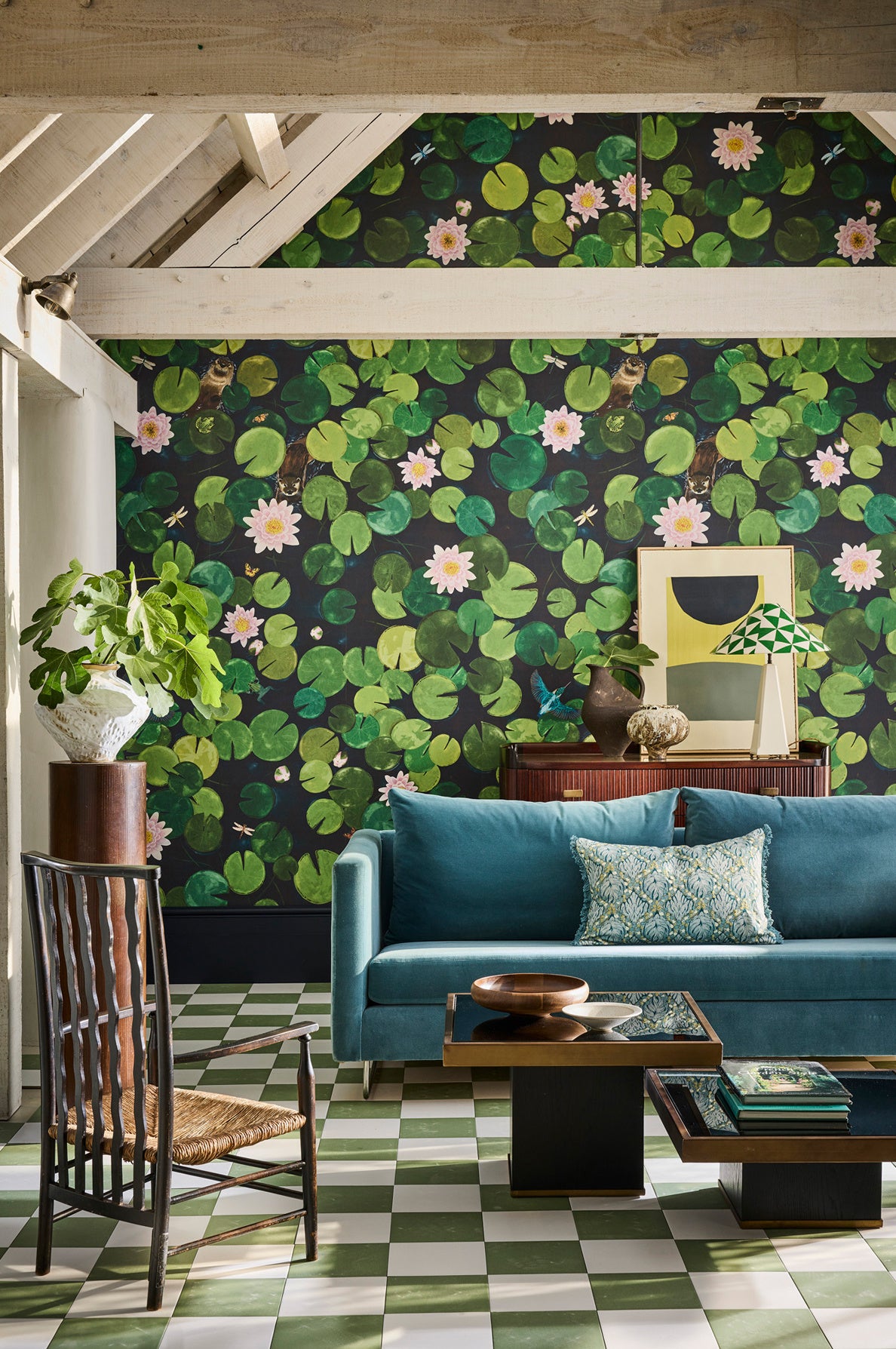
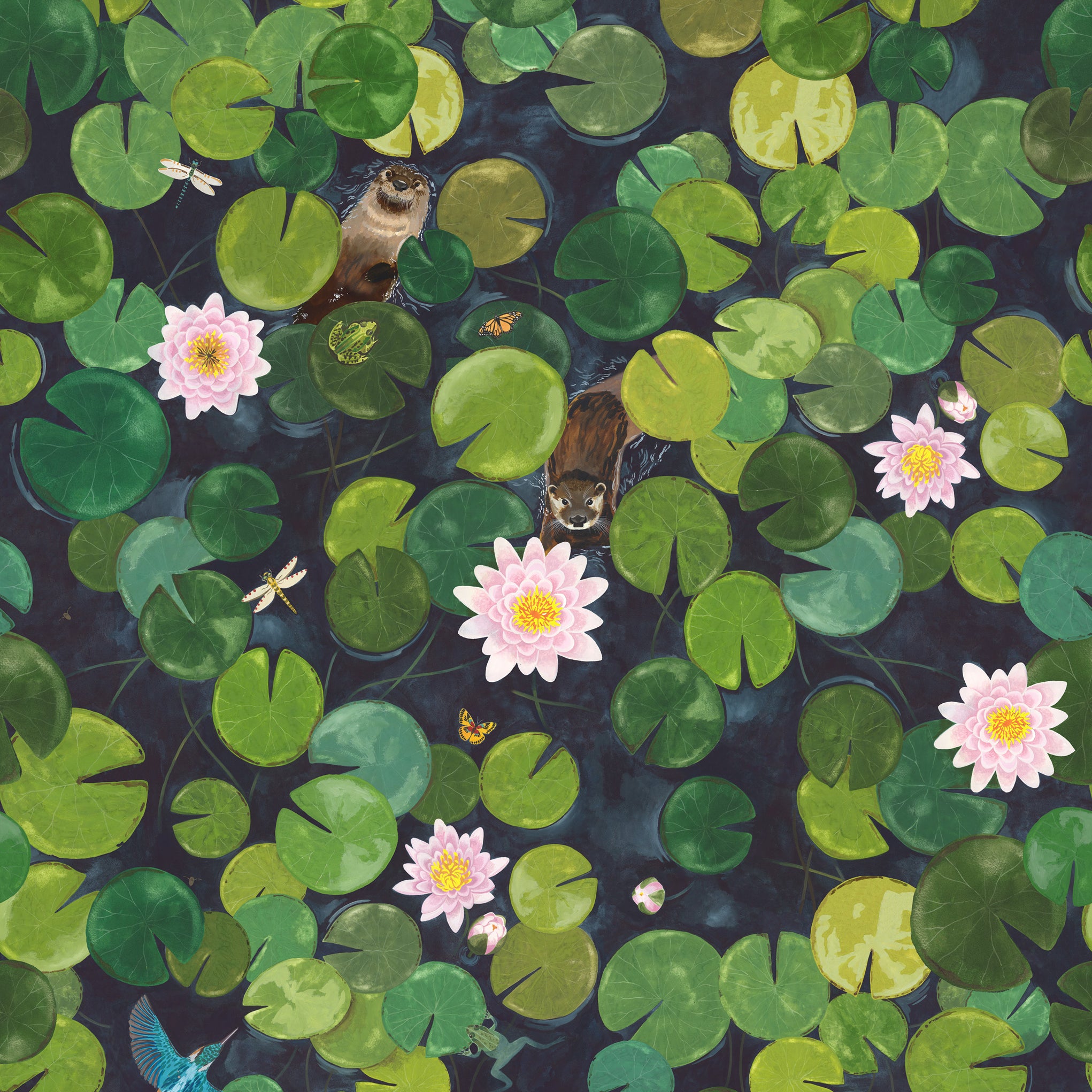
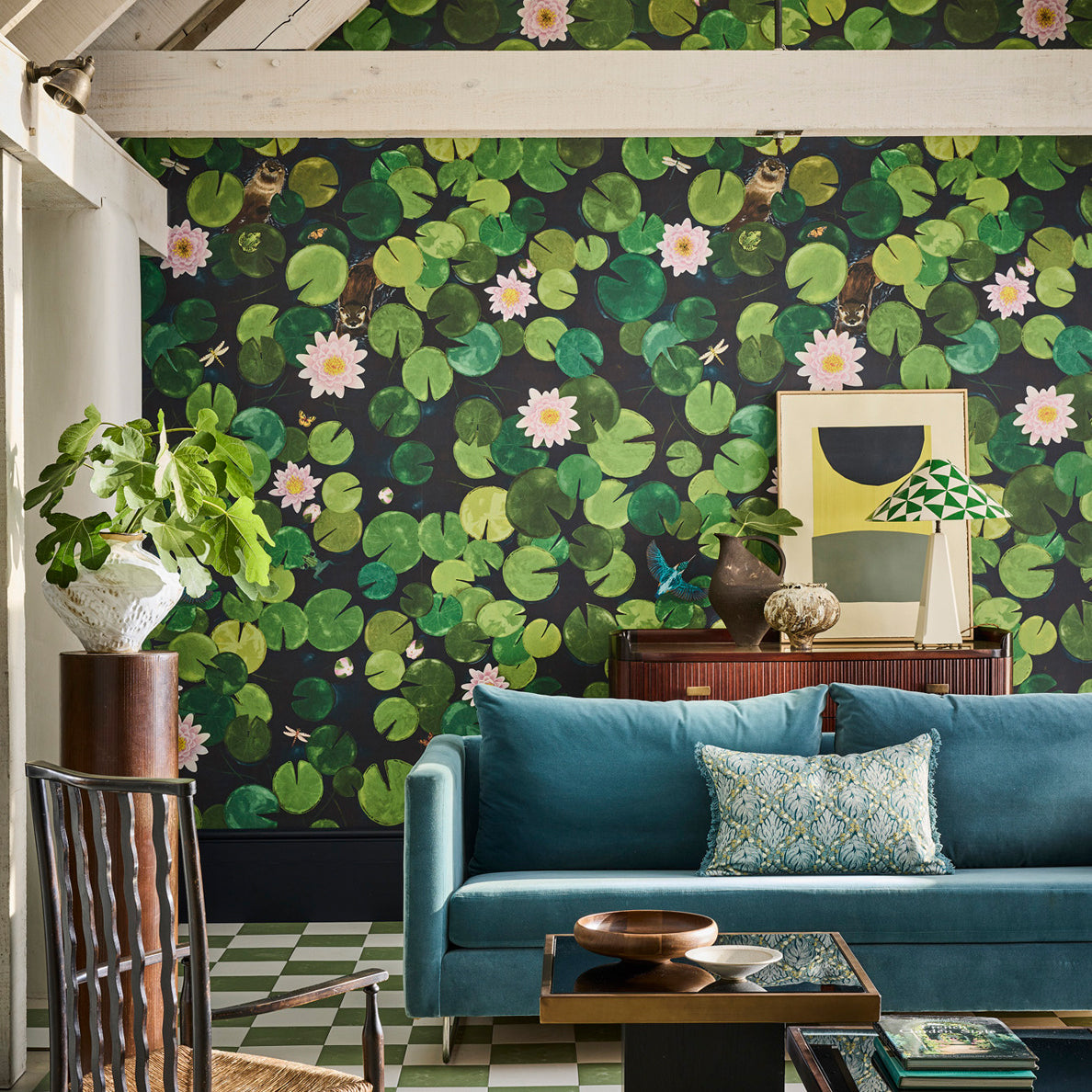
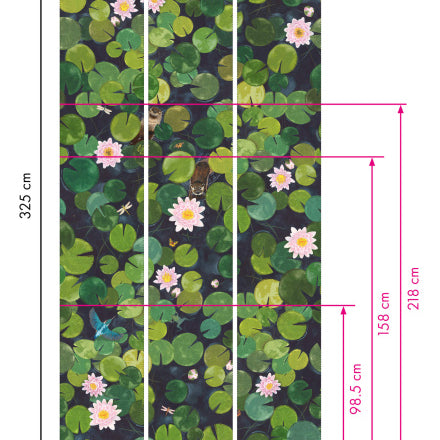
Lily Pads
Inspired by the Stackpole Estate in Wales - five square miles of coastline, lakes and forest where wild otters slip between the lily pads. This pattern is a graphic celebration of that world: lily pads and waterlilies, with dragonflies, kingfishers, butterflies and otters hiding in the detail.

Magnolia Blossom
Inspired by four magnolia trees in the care of the National Trust at Nymans, Bodnant, Lanhydrock and Trengwainton - one of the oldest tree species in the world, and one of the most spectacular every spring. A calming forest of stylised magnolia trees, their broad canopies heavy with delicate blossom.
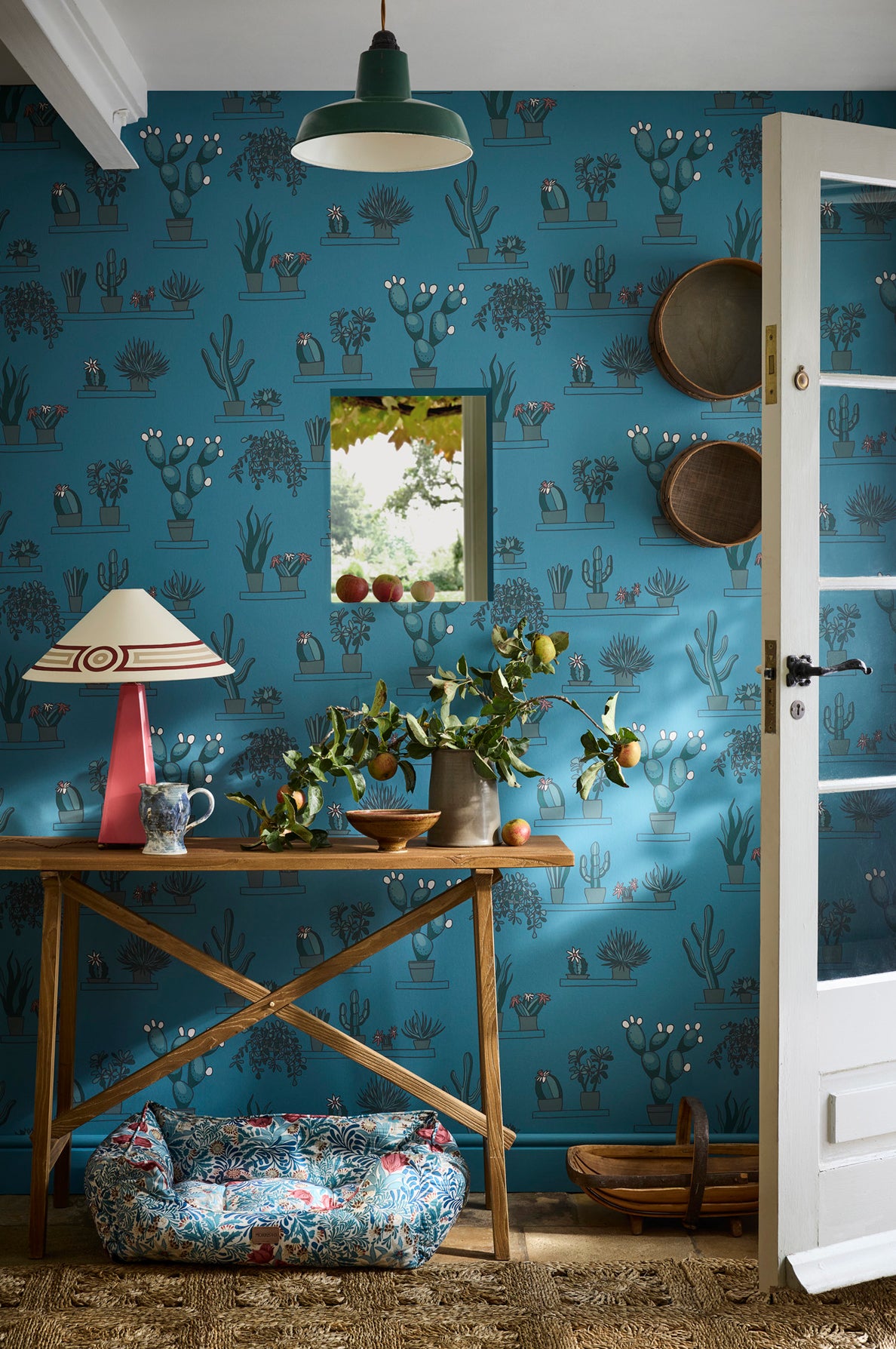
Mr Straw’s Greenhouse
Inspired by Mr Straw's House in Nottinghamshire, where two brothers spent decades filling their greenhouse with succulents and cacti - a collection that's still growing today. Available in three subtle tonal colourways and three bolder contrast versions.

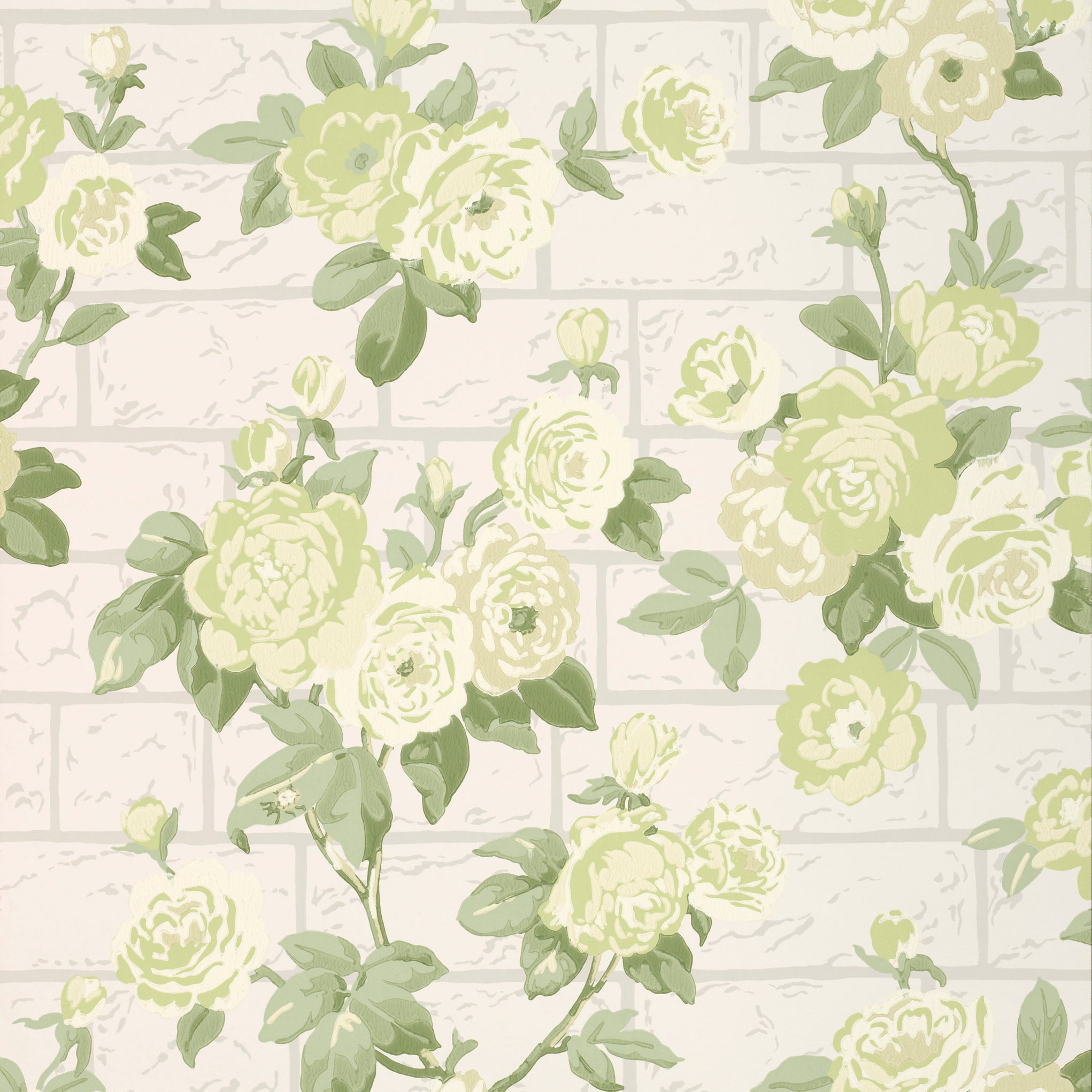
Rose Garden
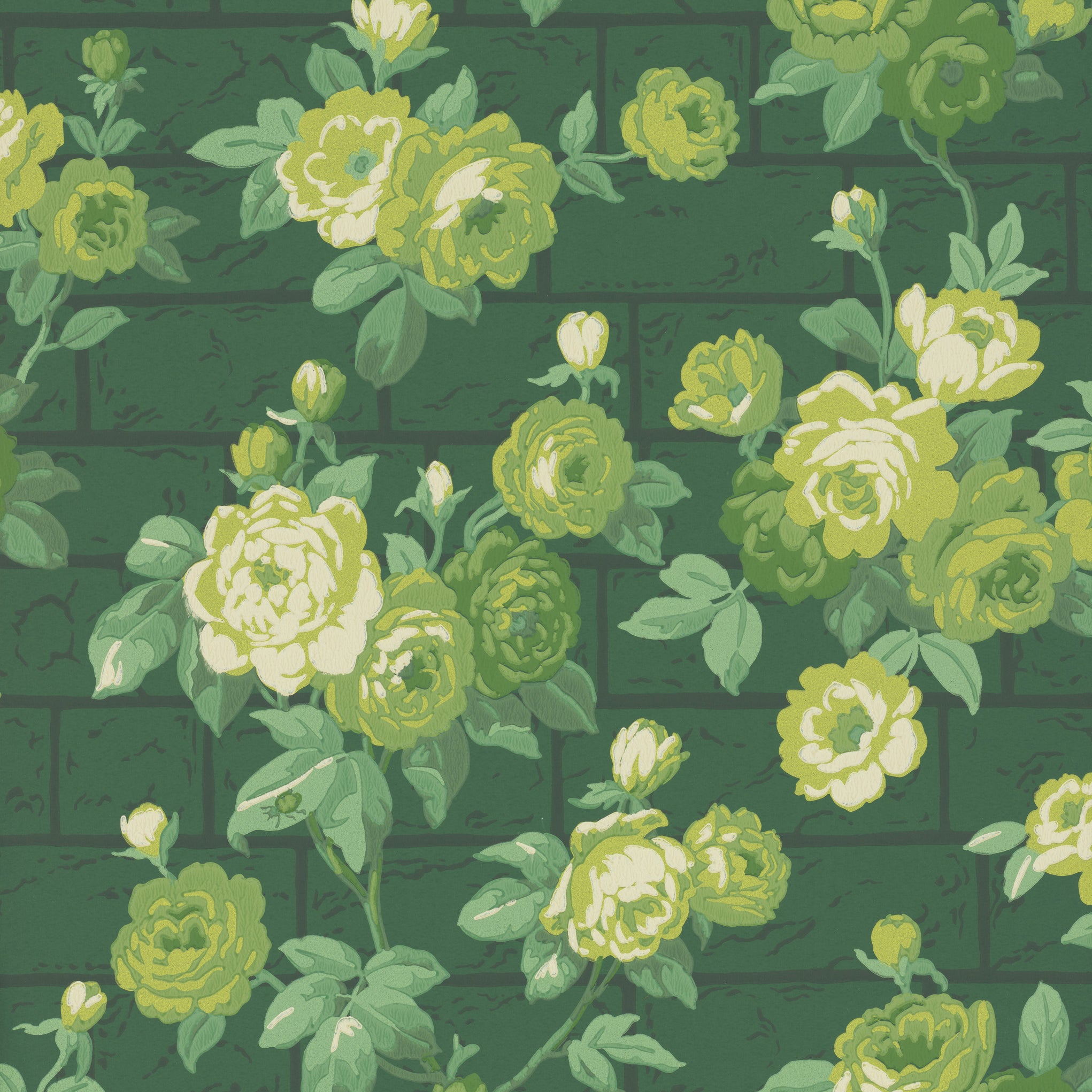
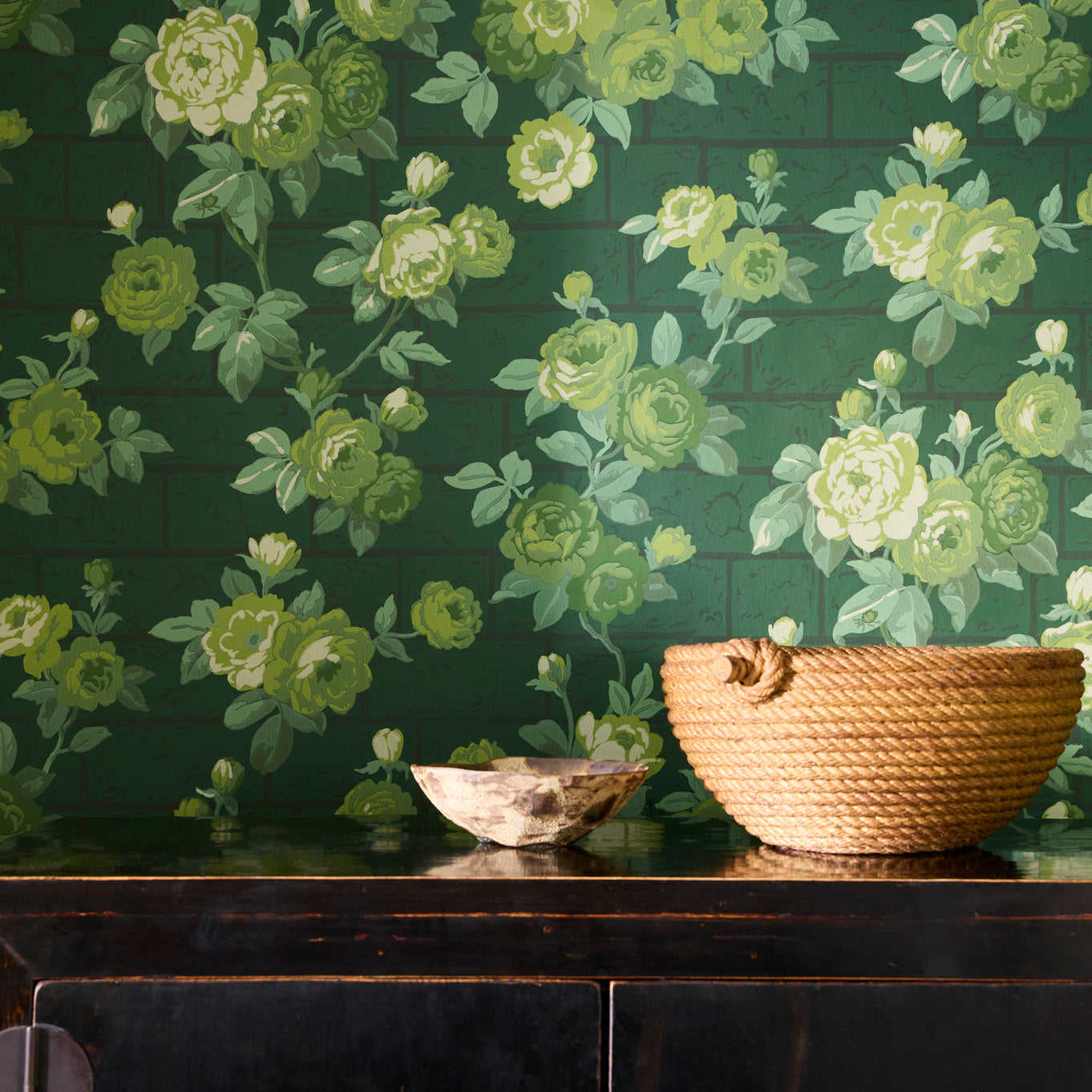
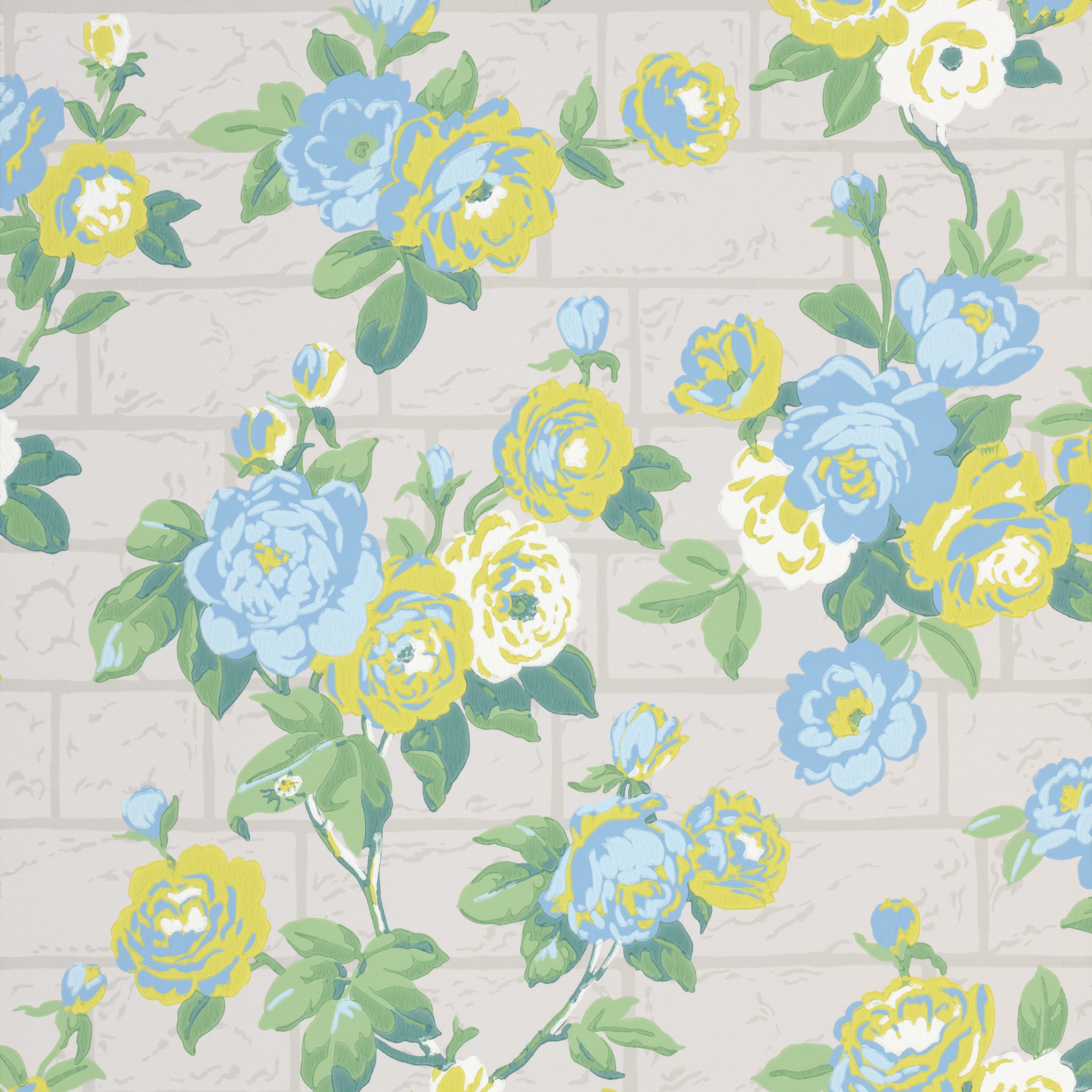
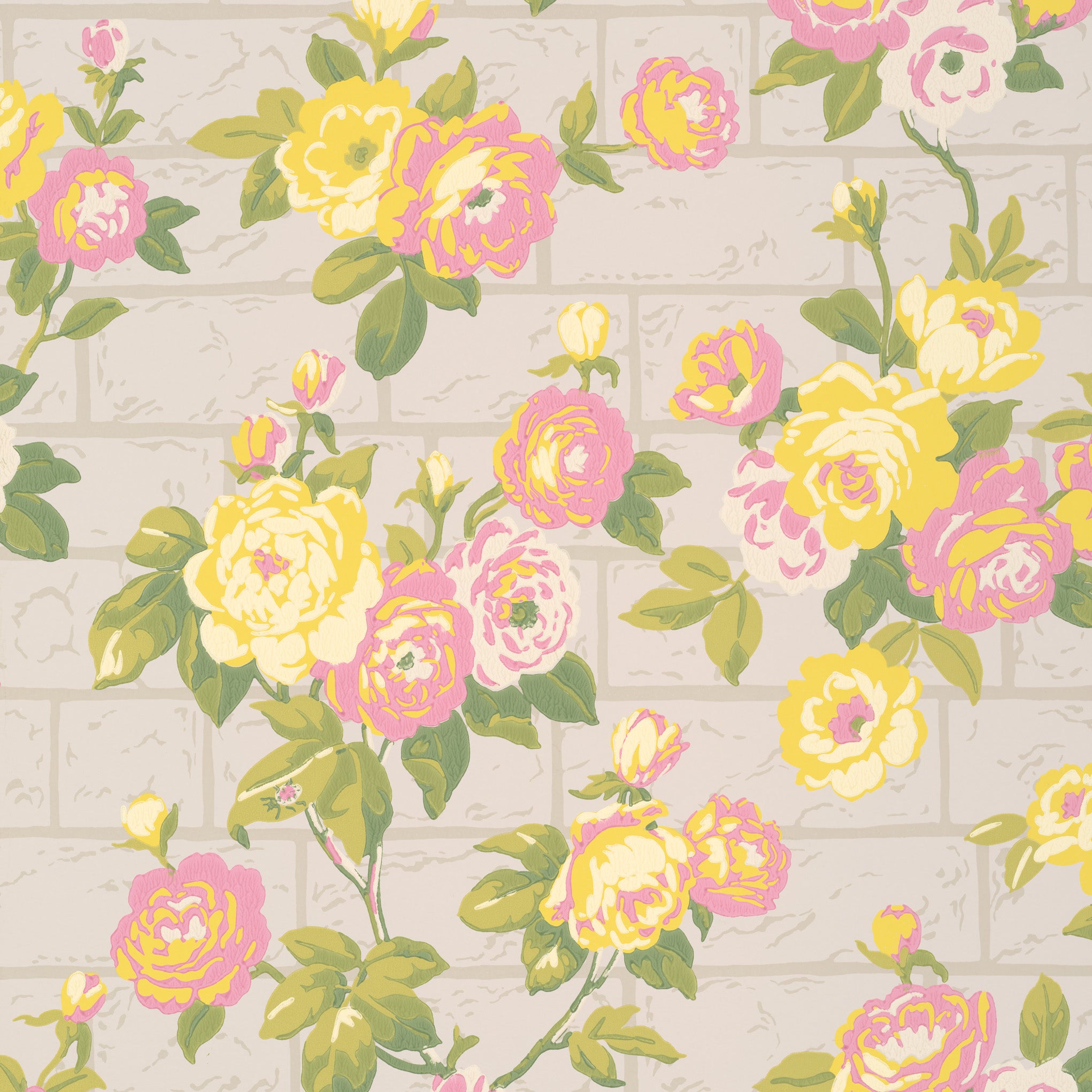
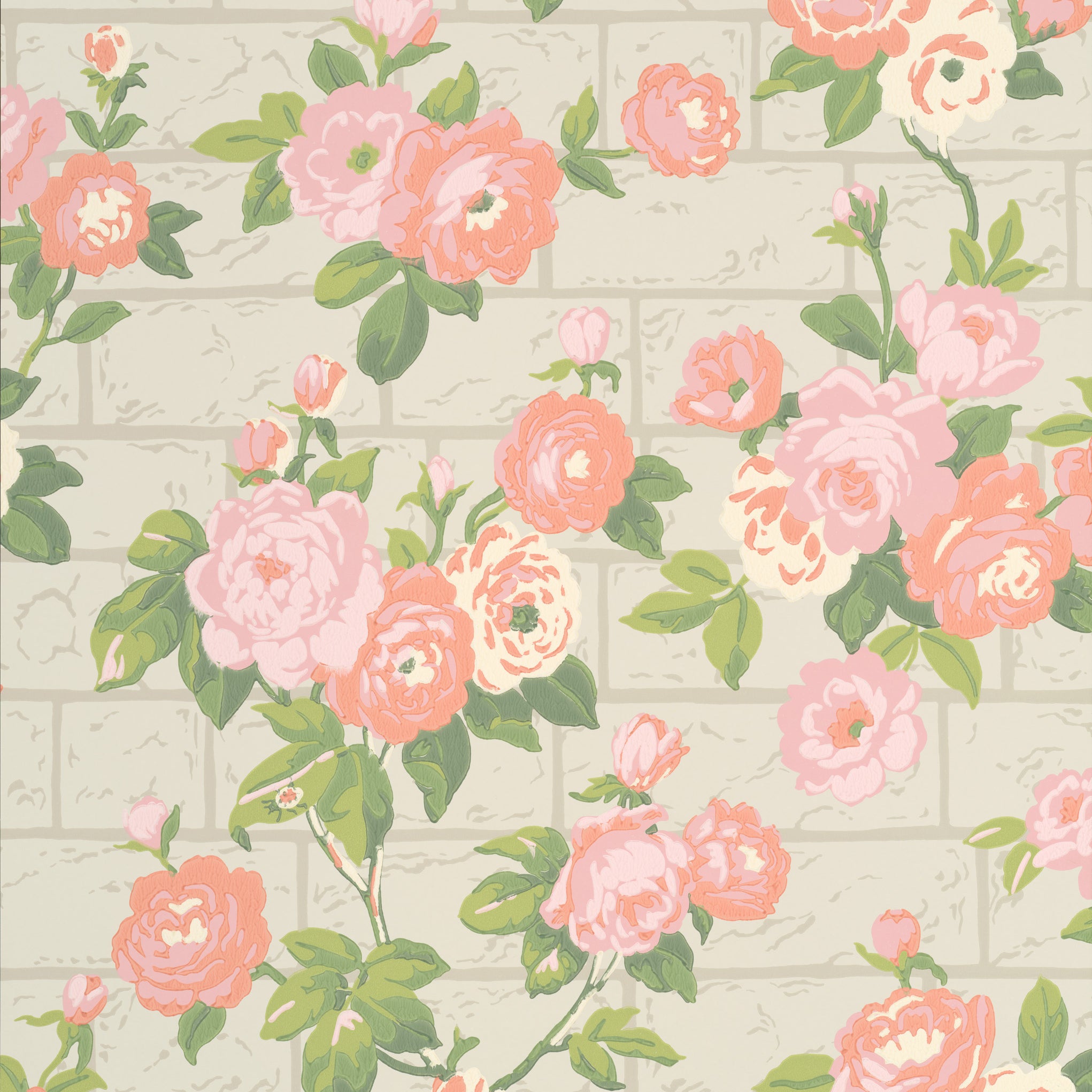
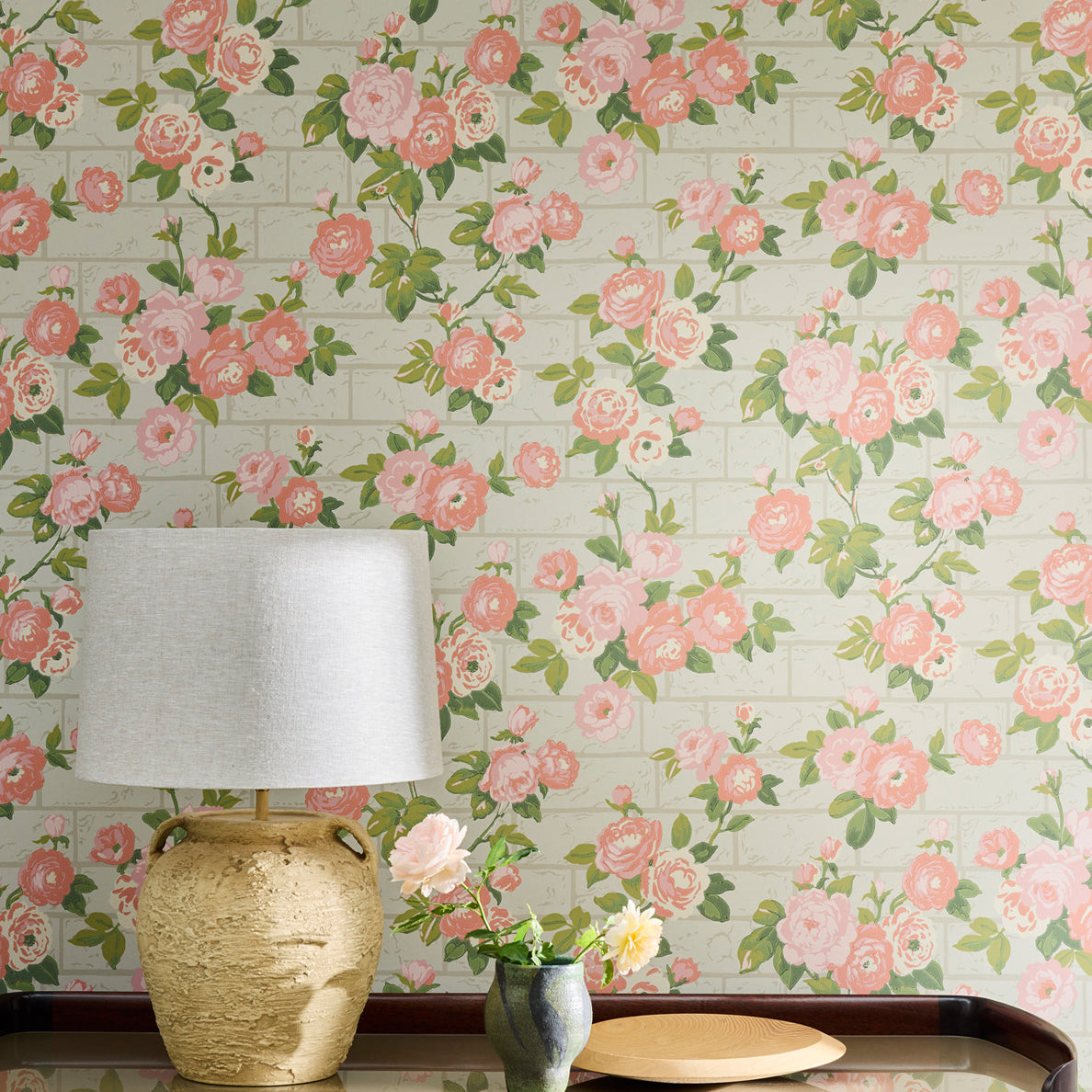
Inspired by the walled rose garden at Mottisfont Abbey in Hampshire, home to the National Collection of pre-1900 shrub roses - varieties that flower only once a year, for a few unforgettable weeks each summer. This pattern captures that moment: voluptuous climbing roses in full bloom against neutral stonework, or in a rich, indulgent green.
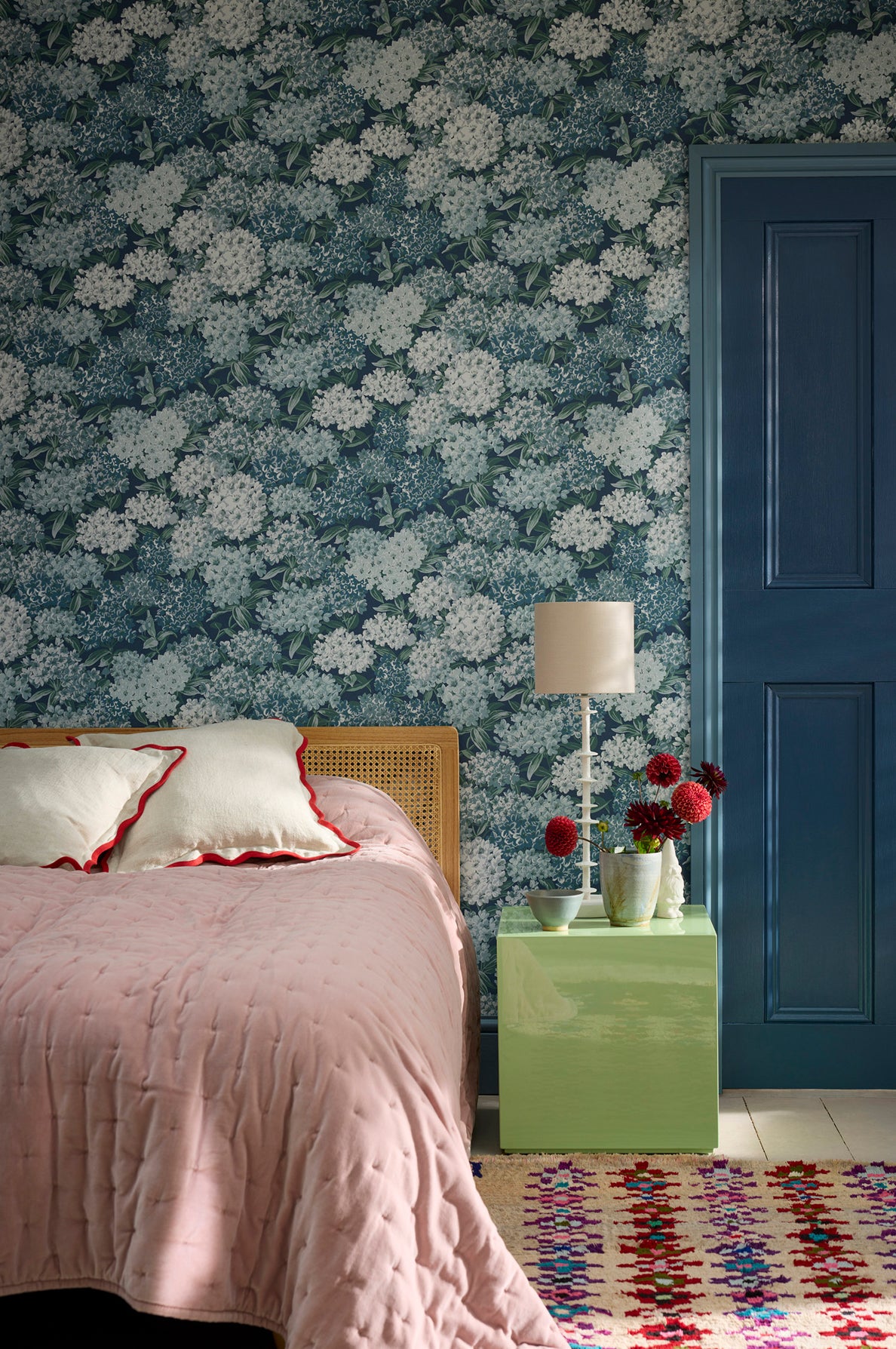
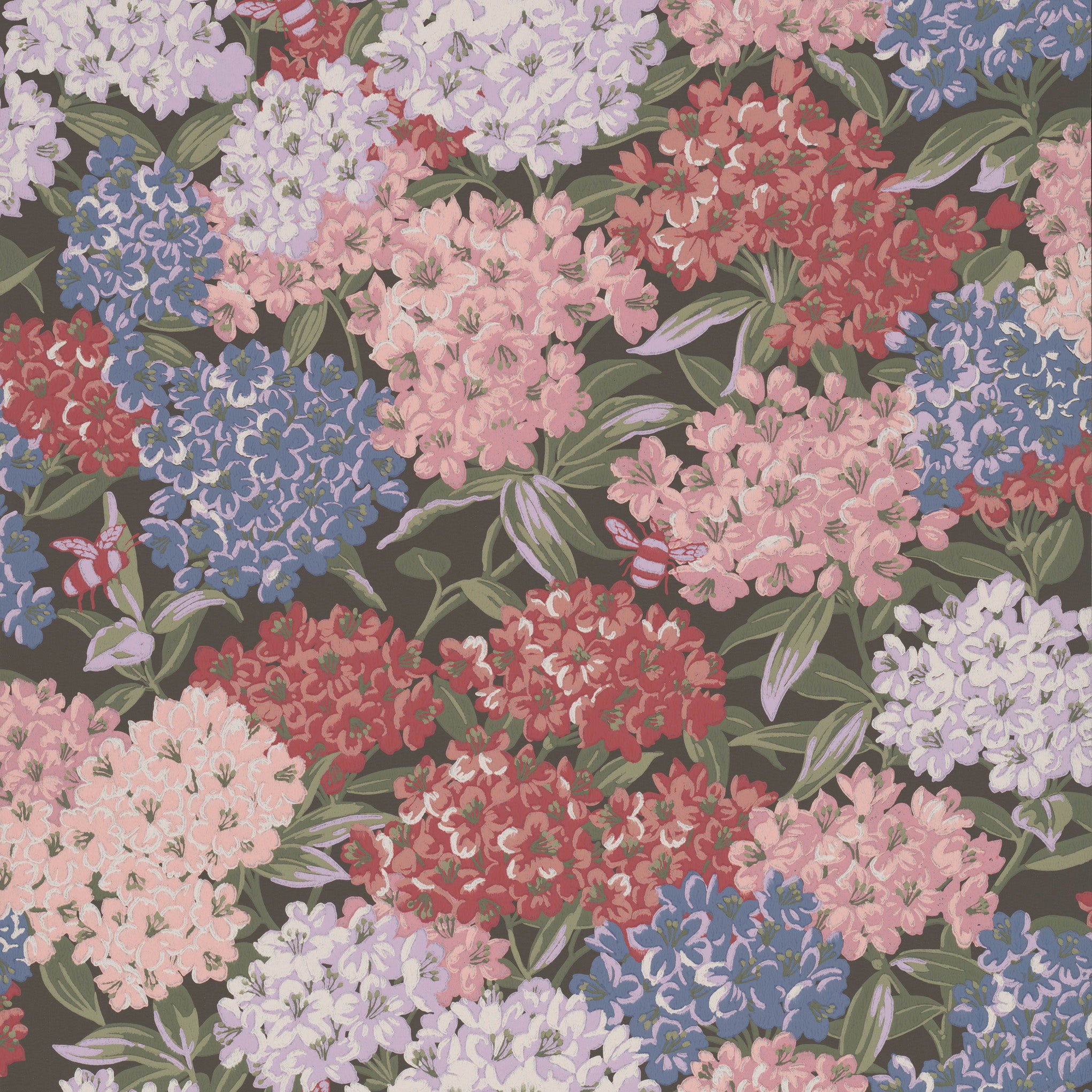
Rhododendron Walk
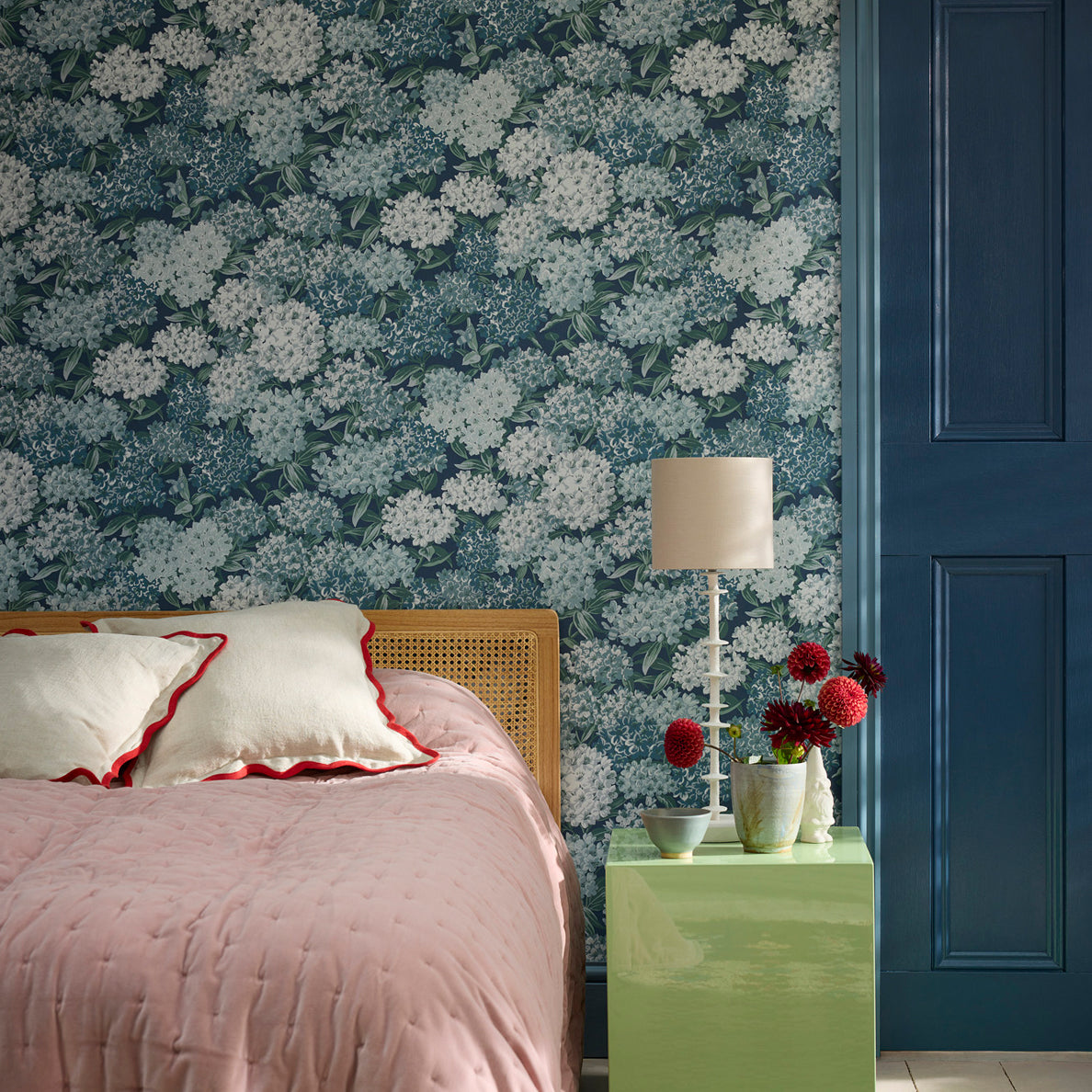
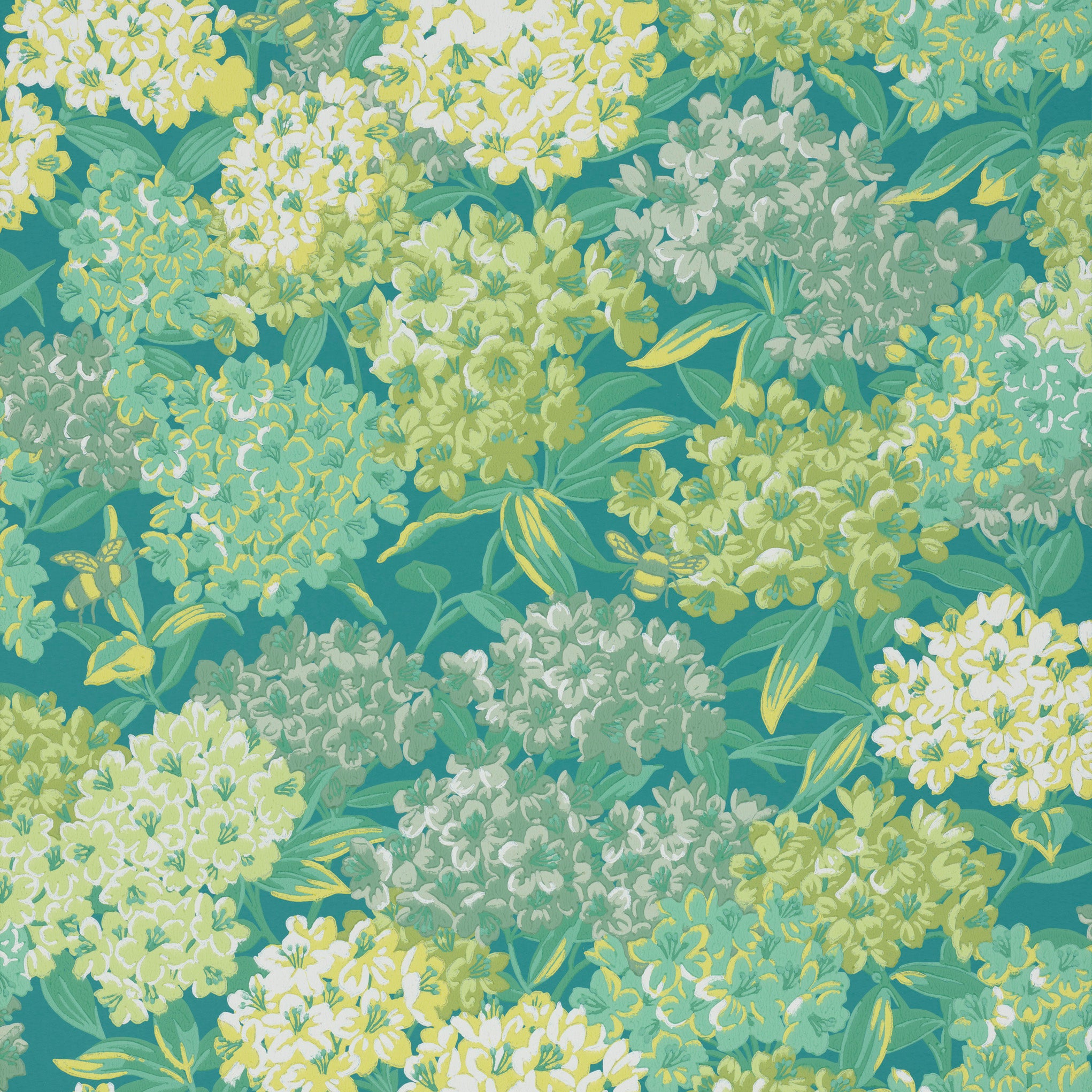
Inspired by the rhododendrons and azaleas that line woodland and lakeside walks at National Trust properties from Northumberland to Norfolk - bursts of colour that have been stopping people in their tracks for generations. This pattern captures that abundance: blooms bursting towards the light, bees landing on petals, all rendered in nine surface-printed colours.

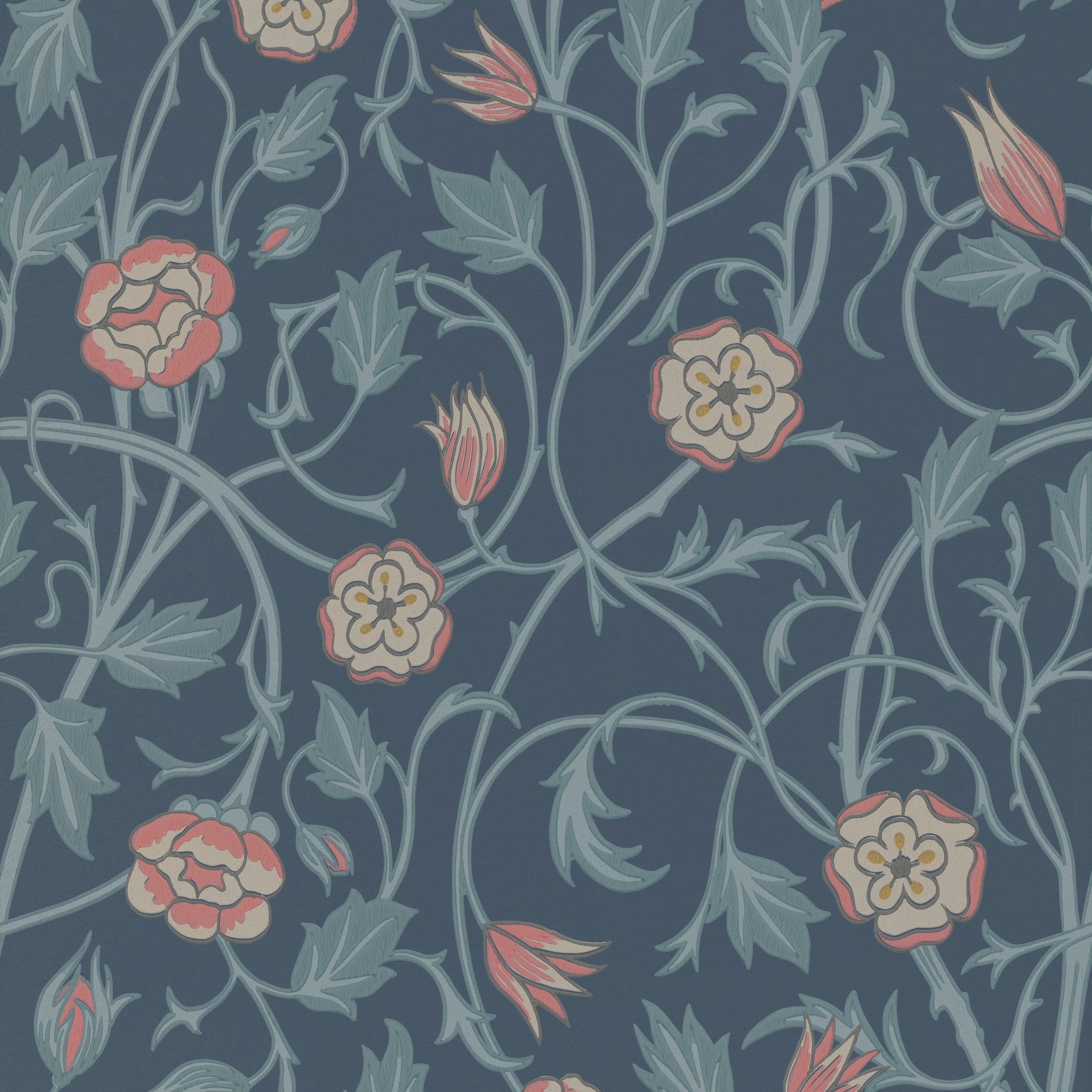
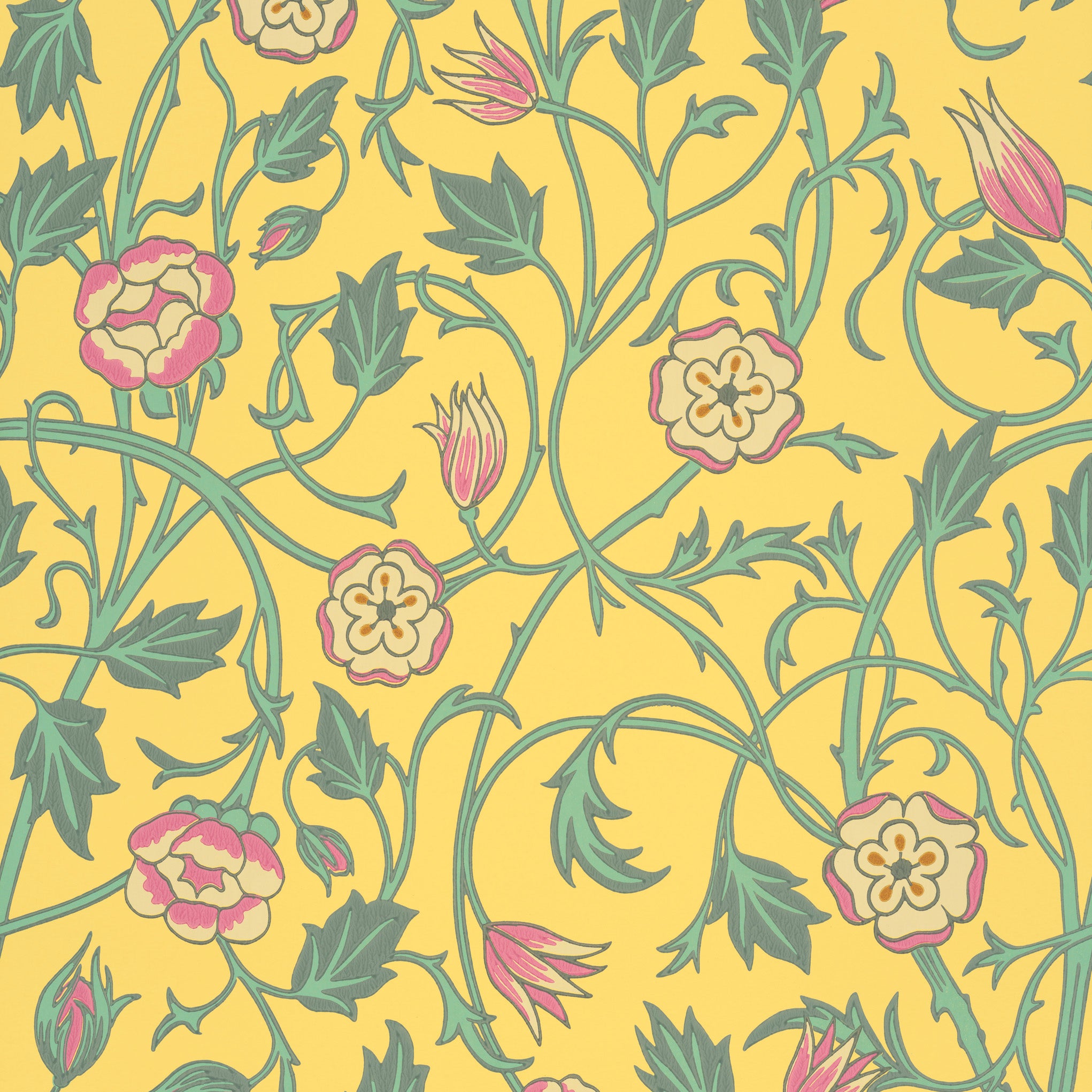
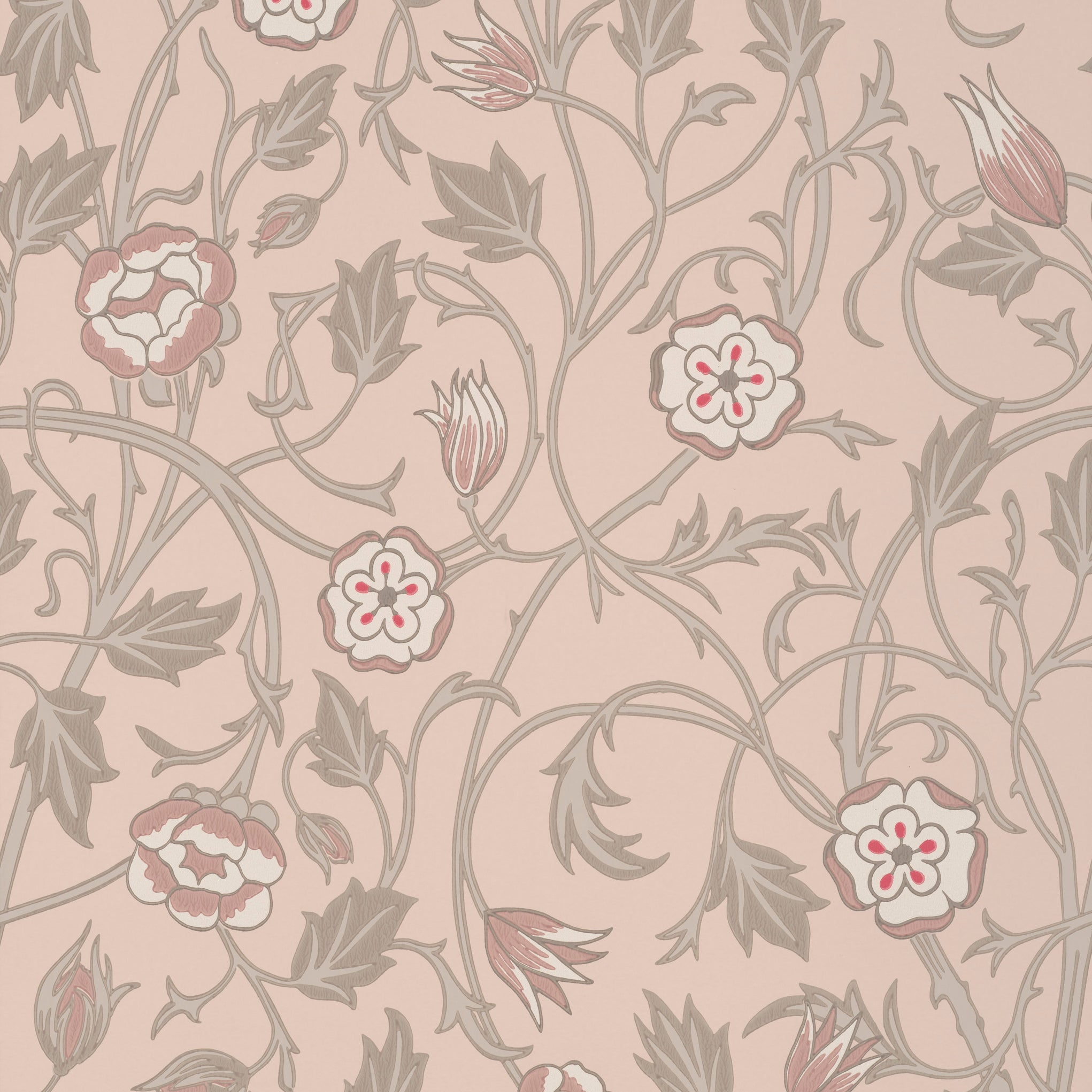
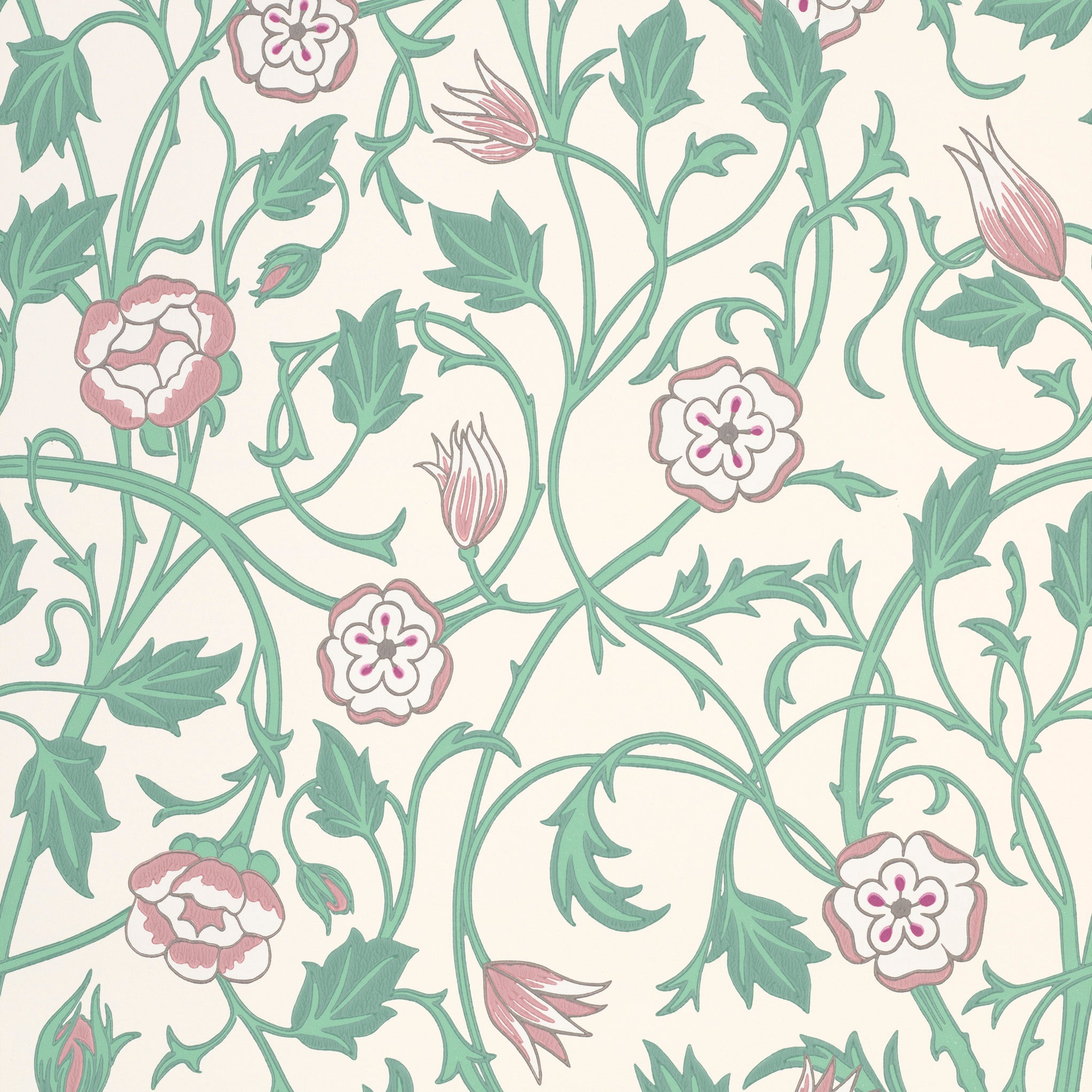
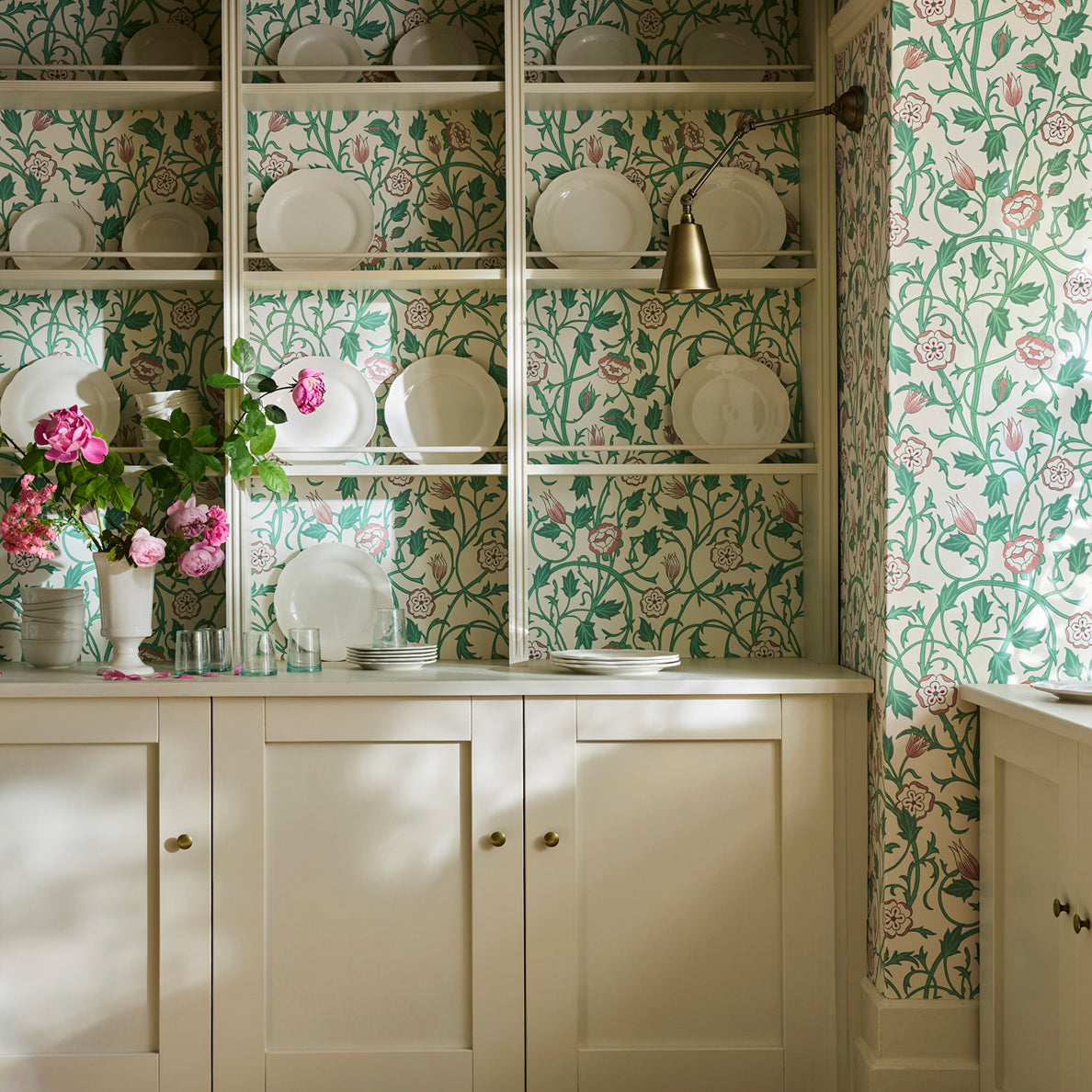
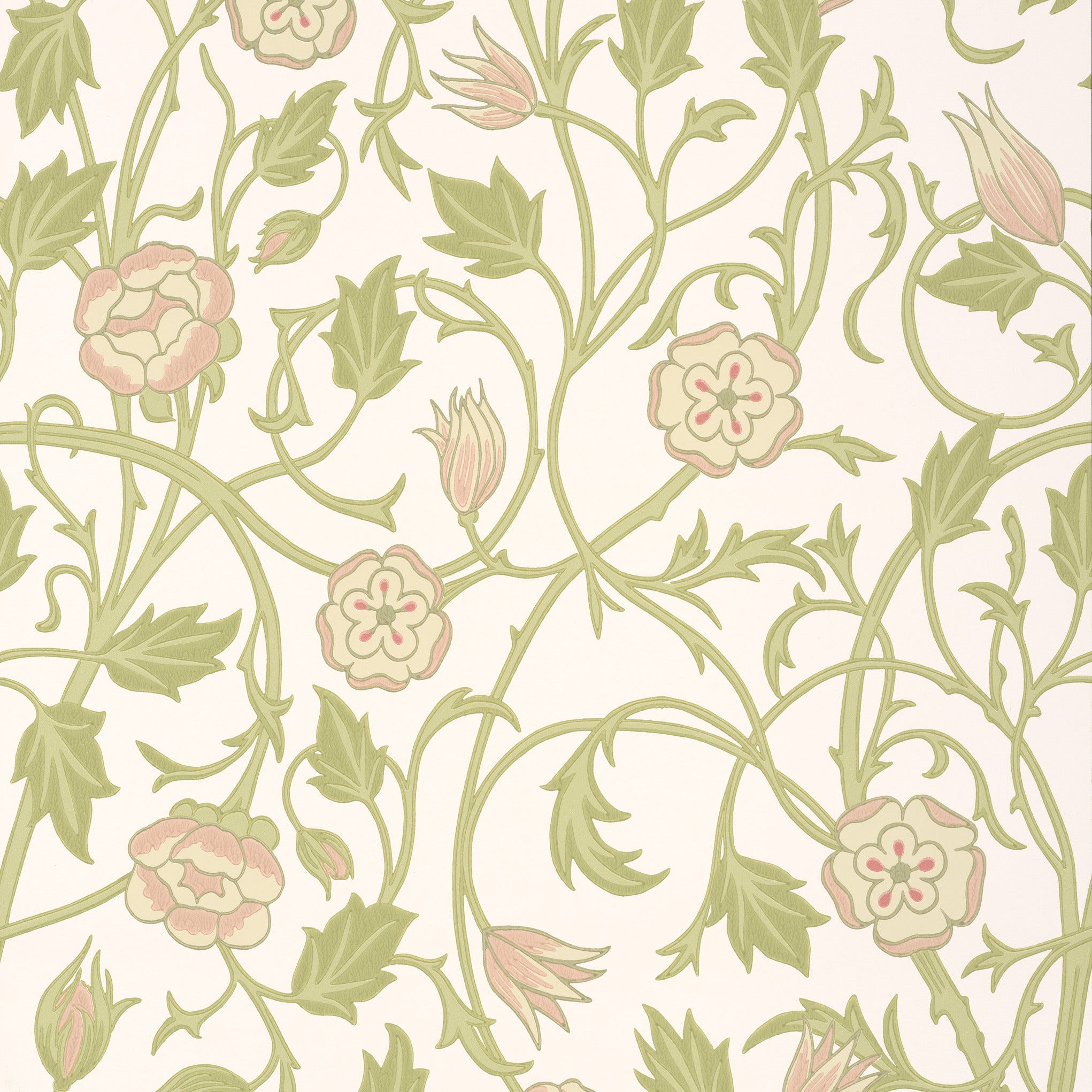
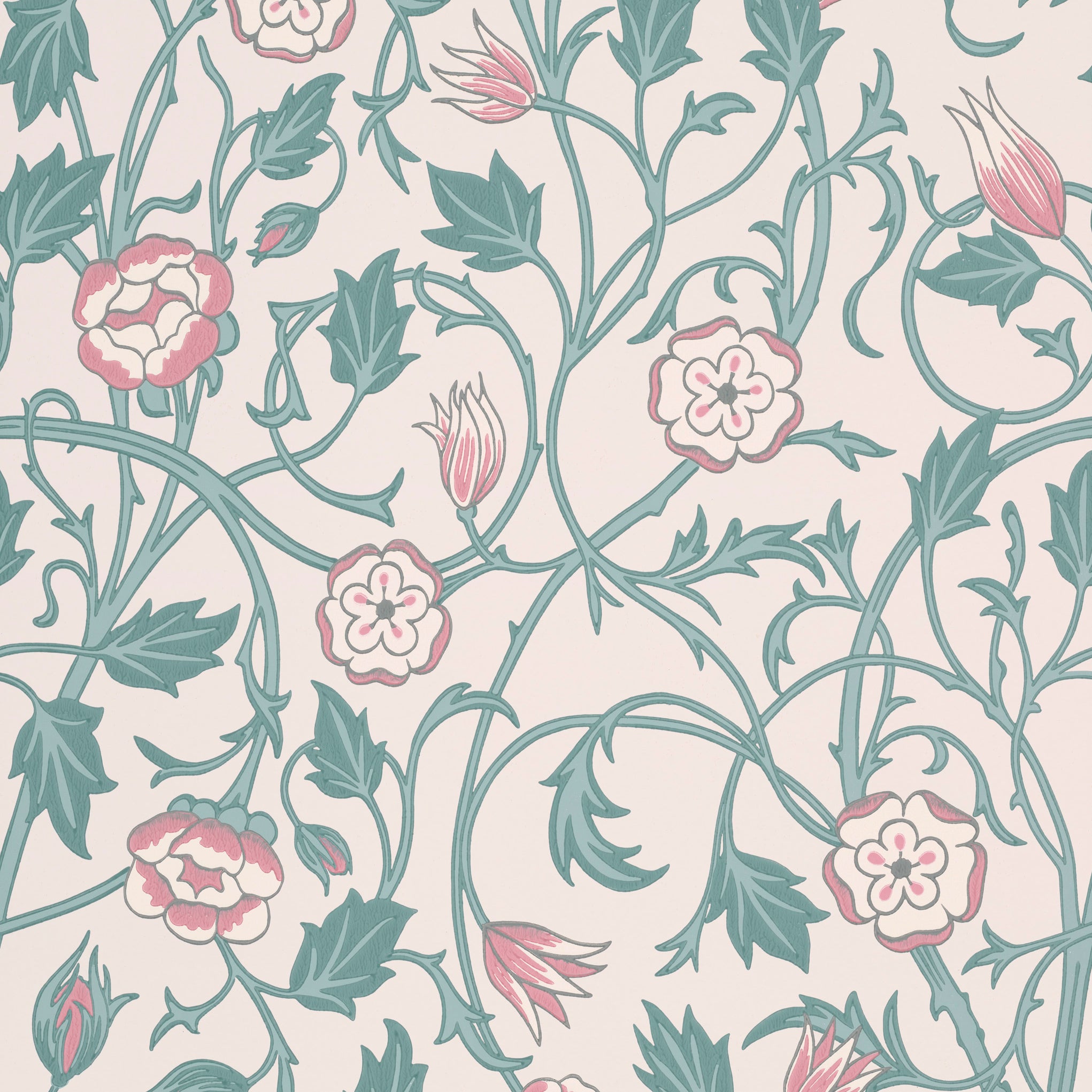
May’s Tulip
May Morris - daughter of William Morris, and a formidable Arts & Crafts talent in her own right, best known for embroidery and jewellery, and co-founder of the Women's Guild of Arts in 1907. This pattern is inspired by a set of her late-19th-century tulip weaves: a flowing network of vines, curling stems and stylised blooms, full of rhythm.